Why Commercial Rodent Control Requires Specialized Solutions
Commercial rodent control requires specialized solutions that local service providers can provide to effectively eliminate pests and protect your business.
Understanding why commercial rodent control requires specialized solutions is essential for property owners facing rodent issues in business environments. Unlike residential settings, commercial properties often have complex layouts, valuable inventory, and specific regulations that demand tailored strategies. Local service providers who focus on commercial rodent control are equipped to address these unique challenges, ensuring that infestations are managed effectively without disrupting daily operations. If you’ve noticed signs of rodents or want to prevent future problems, exploring how specialized solutions can make a difference is a practical step toward protecting your property.
For property owners in the area, the importance of working with experienced local contractors becomes clear when considering the intricacies involved in commercial rodent control. These professionals understand the common entry points, nesting habits, and food sources that attract rodents to business sites. They can develop targeted plans that not only eliminate current issues but also help prevent future infestations. Keep reading to learn more about why relying on specialized solutions and local experts can be a key part of maintaining a safe and rodent-free commercial environment.
- Commercial warehouse inspections - when large storage facilities experience signs of rodent activity, local contractors implement tailored strategies to effectively address the unique challenges of these environments.
- Food processing plants - due to strict health standards, service providers use specialized methods to eliminate rodents without contaminating products or disrupting operations.
- Office buildings and retail spaces - when rodents threaten customer safety or damage property, local pros develop integrated solutions that suit the building’s layout and usage.
- Industrial facilities - faced with complex infrastructure and high-traffic areas, local contractors apply customized approaches to control rodents while minimizing business interruptions.
- Food service establishments - to meet health code requirements, service providers employ targeted techniques designed to handle the specific conditions of kitchens and dining areas.

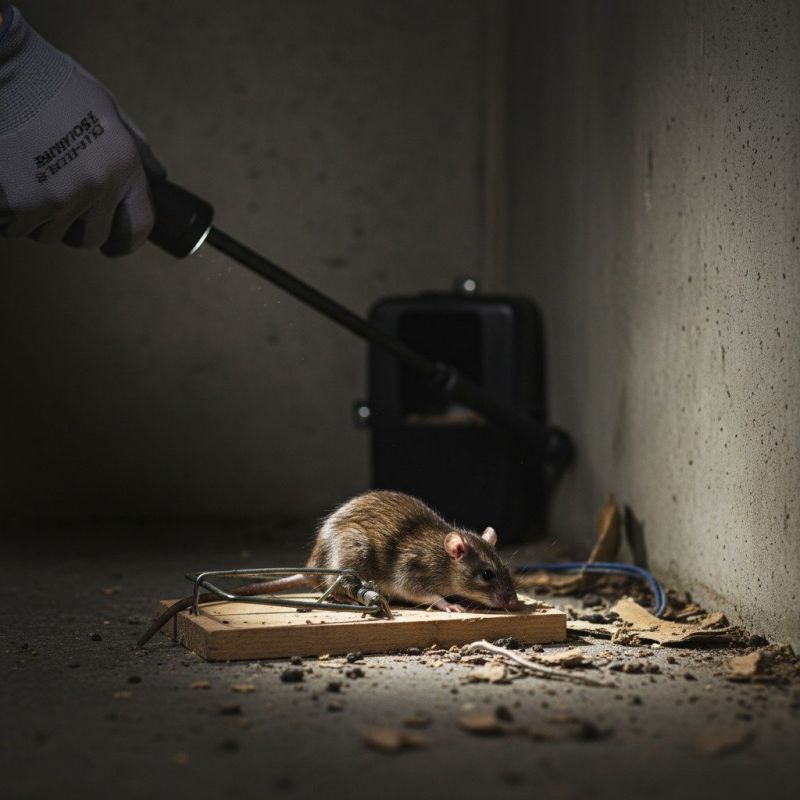
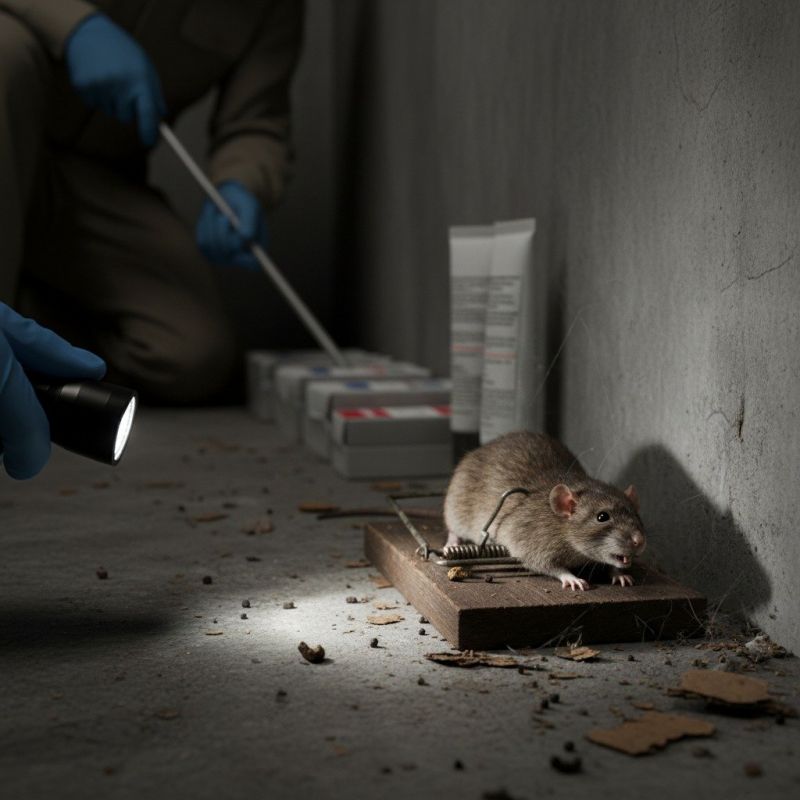
When people search for why commercial rodent control requires specialized solutions, they are often seeking to understand the unique challenges involved in managing rodent problems in business environments. Unlike residential settings, commercial properties typically have larger footprints, complex layouts, and specific operational needs that make standard pest control methods insufficient. Business owners and property managers want to know why they need experts who understand the intricacies of commercial spaces, including how rodents can threaten health, safety, and compliance with regulations. This search reflects a desire to find tailored approaches that effectively address the scale and complexity of rodent issues in a commercial context.
Commercial rodent problems are often linked to ongoing infestations that can disrupt daily operations and damage property. These pests are known for nesting in hidden areas such as wall voids, storage rooms, and behind equipment, making detection and eradication more complicated than in residential environments. Property owners may also be planning preventative measures to avoid future infestations, especially if they handle food, pharmaceuticals, or other sensitive products. Addressing these issues requires more than just trapping or baiting; it involves comprehensive strategies that identify entry points, eliminate food sources, and establish ongoing monitoring. Local service providers specializing in commercial rodent control are equipped to develop plans that fit the specific needs of each property.
The types of properties that typically come up in discussions about commercial rodent control include warehouses, manufacturing plants, retail stores, restaurants, and office buildings. These properties often have large storage areas, multiple access points, and high traffic, which can facilitate rodent entry and movement. Food processing facilities and grocery stores are especially vulnerable because of the strict health standards they must meet, making specialized solutions essential. Additionally, multi-tenant buildings or complexes with shared infrastructure can pose unique challenges, requiring coordinated efforts across different parts of the property. Local contractors experienced in commercial rodent control understand how to navigate the complexities of these properties and implement effective, long-lasting solutions.
Understanding why commercial rodent control requires specialized solutions highlights the importance of working with professionals who have experience with complex environments. These specialists recognize that standard residential methods may not be sufficient to address the scale and intricacies of commercial infestations. They bring tailored strategies that consider the property's layout, the nature of the business, and potential health and safety concerns. Connecting with local service providers who focus on commercial rodent control ensures that property owners and managers receive targeted, effective assistance. This approach helps safeguard the property, maintain compliance, and prevent future infestations through customized, comprehensive plans.
Warehouse pest management - managing pests in large storage facilities requires targeted strategies similar to commercial rodent control, including detailed planning and specialized tools.
Building inspection services - identifying structural vulnerabilities and entry points for pests involves skills that are essential for effective rodent exclusion in commercial settings.
Commercial sanitation projects - maintaining hygiene standards in business environments aligns with the need for thorough sanitation in rodent control to prevent infestations.
Structural repair and sealing - sealing entry points and fixing structural damages are critical steps that overlap with the specialized solutions needed for effective rodent management.
Food processing facility cleaning - ensuring hygienic conditions in food-related environments requires precise, tailored approaches similar to those used in commercial rodent control.
Industrial pest exclusion - designing and implementing exclusion barriers in industrial sites shares techniques with the tailored solutions necessary for commercial rodent control.
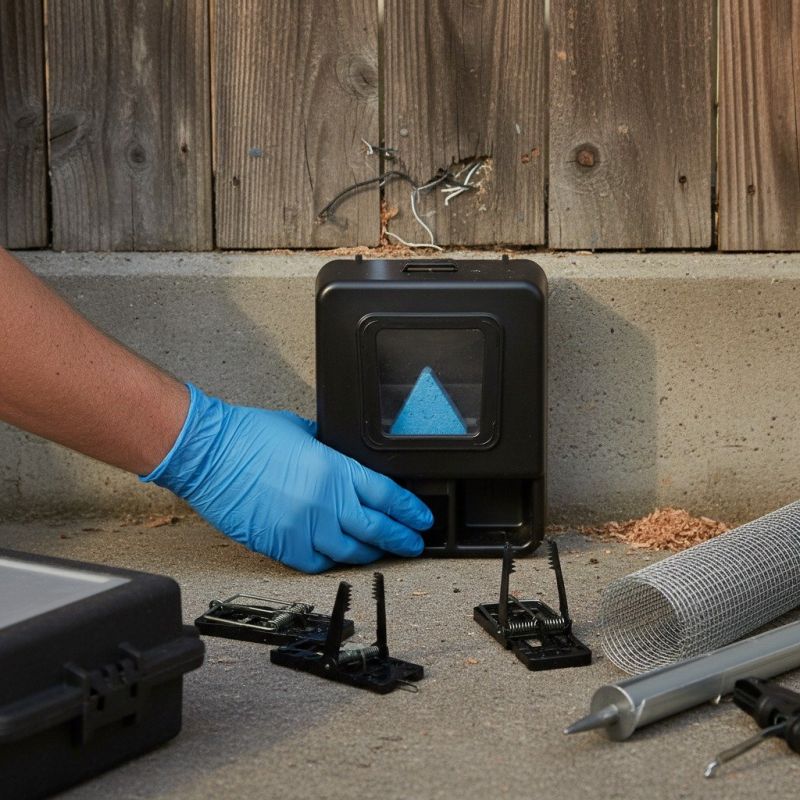
When evaluating service providers for commercial rodent control, it’s important to consider their experience with projects similar in scope and complexity. Local contractors who have handled commercial settings often understand the unique challenges that come with larger facilities, such as access points, building layouts, and ongoing sanitation concerns. Their familiarity with these factors can influence the effectiveness of the control methods used and help ensure that the solutions are tailored to the specific environment. Asking about past projects or seeking references from other commercial clients can provide insight into their expertise and reliability in managing rodent issues in settings comparable to your property.
Clear written expectations are essential when choosing a service provider for specialized pest control needs. A reputable local contractor should be able to outline the scope of work, the methods they plan to employ, and any follow-up or maintenance procedures in a straightforward, detailed manner. This transparency helps prevent misunderstandings and ensures that both parties are aligned on what the service includes. When reviewing proposals or service descriptions, look for providers who communicate their approach clearly and are willing to answer questions about their process, so you can confidently select a contractor who understands the importance of a comprehensive, well-documented plan.
Reputable references and strong communication are key indicators of a dependable service provider for commercial rodent control. Local contractors with positive references from previous clients demonstrate a track record of effective solutions and professional conduct. Additionally, good communication throughout the process - from initial inquiry to project completion - reflects their commitment to customer service and responsiveness. An experienced contractor who listens carefully, provides timely updates, and addresses concerns thoroughly can help ensure the project proceeds smoothly and that the solutions implemented are both effective and aligned with the specific needs of your commercial property.
Property owners often search for why commercial rodent control requires specialized solutions when they are planning practical projects around their homes and businesses. Local pros provide Commercial Rodent Control services for everyday jobs and straightforward project options.
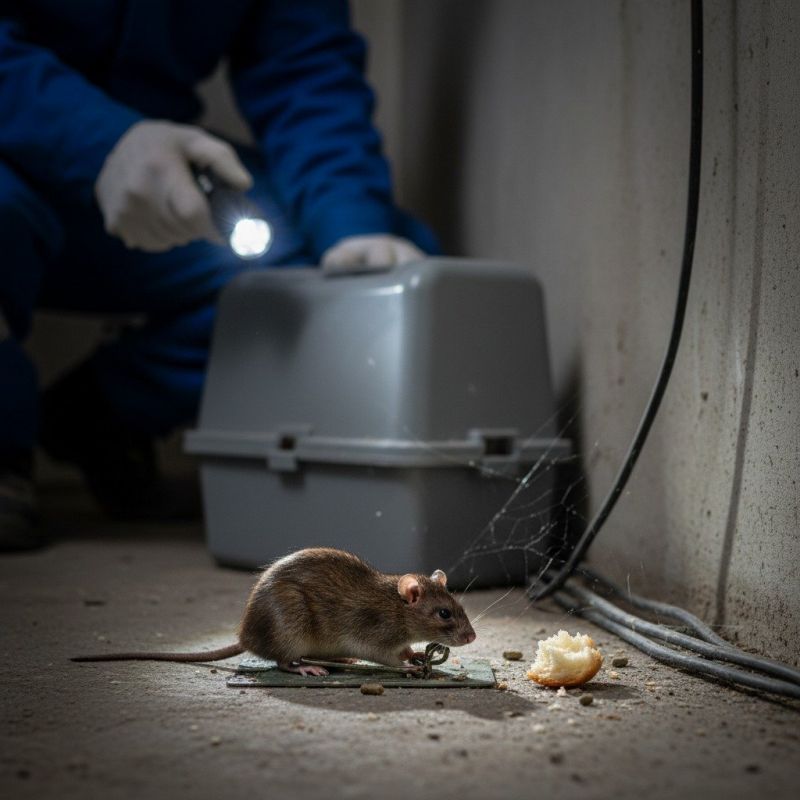
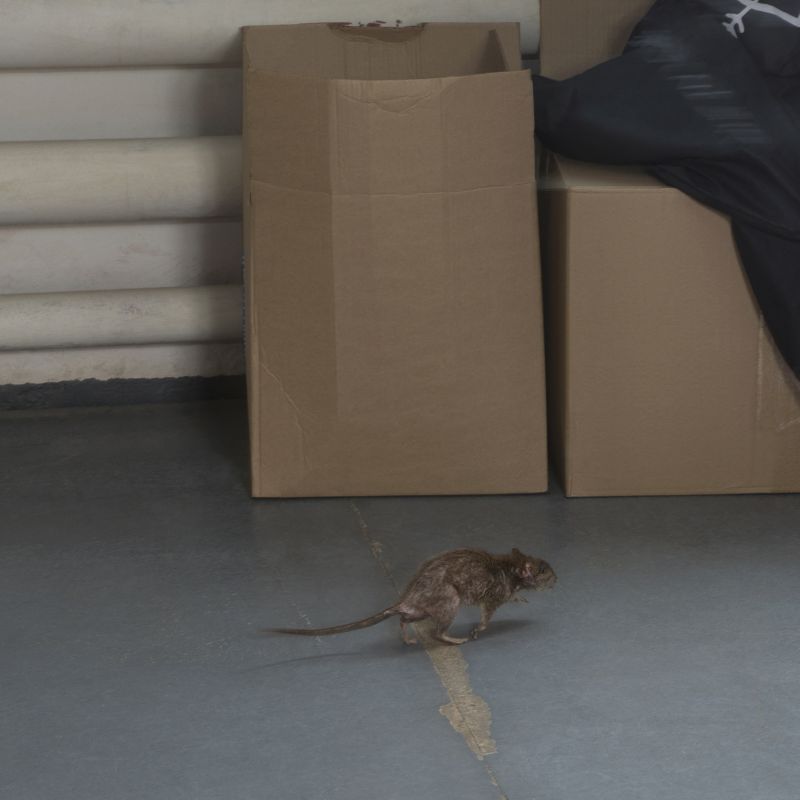
Commercial rodent control is a complex task that often requires specialized solutions beyond basic pest management. Property owners in the area might notice signs of rodents such as droppings, gnaw marks, or unusual noises, prompting them to seek professional help to address the issue effectively. Local contractors who focus on commercial rodent control have the experience and tools necessary to handle infestations in various types of buildings, including warehouses, restaurants, and offices, where rodents can cause significant damage or health concerns.
These situations highlight why commercial rodent control demands tailored strategies that consider the unique layout and use of each property. Unlike residential settings, commercial spaces often have extensive storage areas, food preparation zones, or complex ventilation systems, making standard approaches insufficient. Service providers in the area are equipped to develop comprehensive plans that target rodent activity efficiently and prevent future problems, offering property owners peace of mind and a safer environment.
Why can't generic rodent control methods address commercial infestations effectively? Commercial rodent control requires specialized solutions because business environments often have complex structures and unique access points that standard methods can't adequately cover. Local contractors understand these complexities and tailor their approach to ensure thorough removal and prevention.
What makes commercial rodent control different from residential services? Commercial settings typically have larger spaces, multiple entry points, and specific operational needs, making standard residential treatments insufficient. Local service providers use equipment and techniques designed to handle these challenges effectively.
How do local pros customize rodent control for different types of businesses? They assess the specific layout, industry regulations, and potential entry points of each business to develop a targeted plan. This customization helps ensure the solution addresses the unique risks and requirements of each commercial space.
Why is it important for commercial rodent control to be discreet and minimally disruptive? Commercial environments often operate continuously or have customer-facing areas, so treatments need to be discreet and cause minimal disruption. Local contractors are experienced in managing this balance while maintaining effective control.
What risks are associated with using non-specialized rodent control methods in commercial settings? Using generic methods can lead to incomplete removal, recurring infestations, and potential health or safety violations. Local pros provide specialized solutions that are more reliable and compliant with industry standards.
Understanding rodent behavior - property owners can learn about rodent habits to identify high-risk areas and work with service providers to develop targeted control strategies.
Sealing entry points - identifying and blocking common entry sites helps prevent rodents from gaining access, with local contractors offering expert sealing solutions.
Implementing sanitation practices - maintaining cleanliness in storage and waste areas reduces attractants, and professional guidance can ensure proper sanitation measures are in place.
Using specialized traps and bait stations - selecting the right equipment for commercial settings enhances effectiveness, with service providers installing and monitoring these solutions for ongoing control.
If you are thinking about why commercial rodent control requires specialized solutions for a property, this guide is meant to help you understand this topic, the typical project types, and how different options might fit your plans.
When you are ready, you can use the quote form on this page to share a few details about your project. From there, local pros can review the basics and follow up with options that match what you have in mind.