How Rodents Contaminate Food Storage Areas and Pantries
Local contractors can help prevent rodents from contaminating food storage areas and pantries by effectively removing pests and securing your space against future infestations.
Understanding how rodents contaminate food storage areas and pantries is essential for property owners aiming to maintain a safe and hygienic environment. Rodents can easily access these spaces, leaving behind droppings, urine, and shed fur that can introduce bacteria and other pathogens into stored food supplies. This not only poses health risks but can also lead to significant property damage and food waste. Exploring this topic can help homeowners and business owners recognize early warning signs of rodent activity and take proactive steps to protect their food storage areas.
Engaging with local contractors who specialize in rodent removal can provide effective solutions for these concerns. These professionals understand the common ways rodents invade storage spaces and can implement targeted strategies to eliminate infestations and prevent future problems. By addressing how rodents contaminate food storage areas and pantries, property owners can better safeguard their food, reduce health hazards, and maintain a clean, pest-free environment. Keep reading to learn more about how local service providers can assist in keeping these spaces safe and rodent-free.
- Rodent removal services are essential when food storage areas and pantries are contaminated by rodent activity, and local contractors can identify entry points and implement effective exclusion methods.
- Rodent removal is needed when signs of contamination, such as droppings or gnaw marks, are found in food storage spaces, with local pros providing trapping and sanitation solutions.
- Rodent removal services help address infestations that threaten food safety, as local service providers can assess the extent of contamination and perform targeted removal efforts.
- Rodent removal may be required if rodents are observed in or near food storage areas, with local contractors offering comprehensive cleanup and pest-proofing strategies.
- Rodent removal is recommended when food products have been contaminated, and local pros can help prevent future issues through inspection and sealing of entry points.
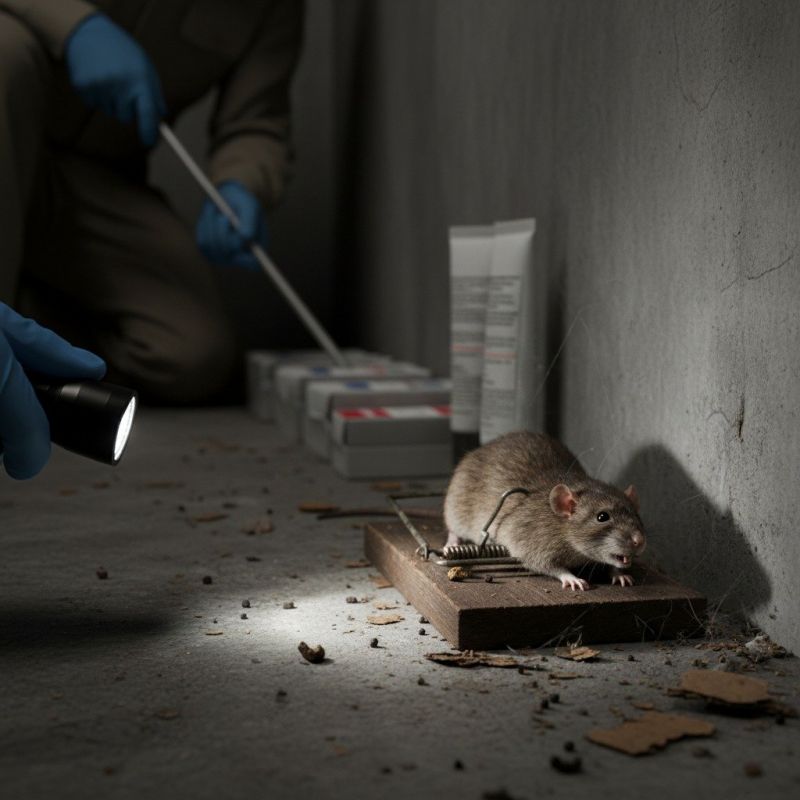
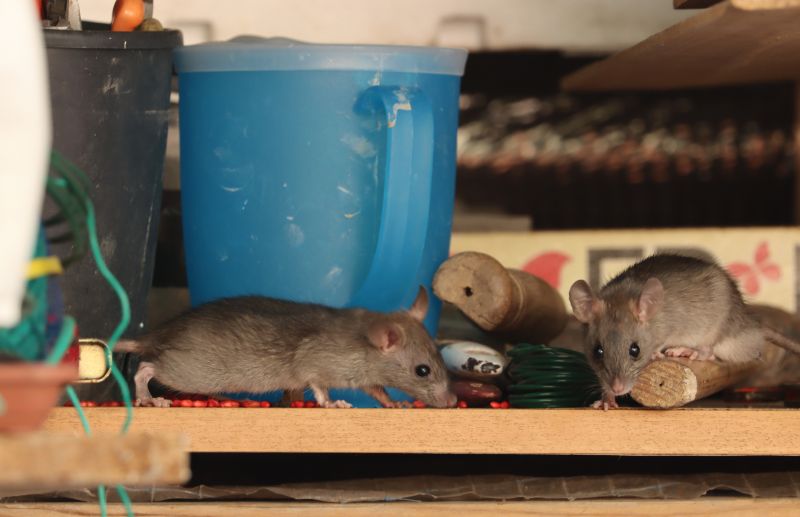
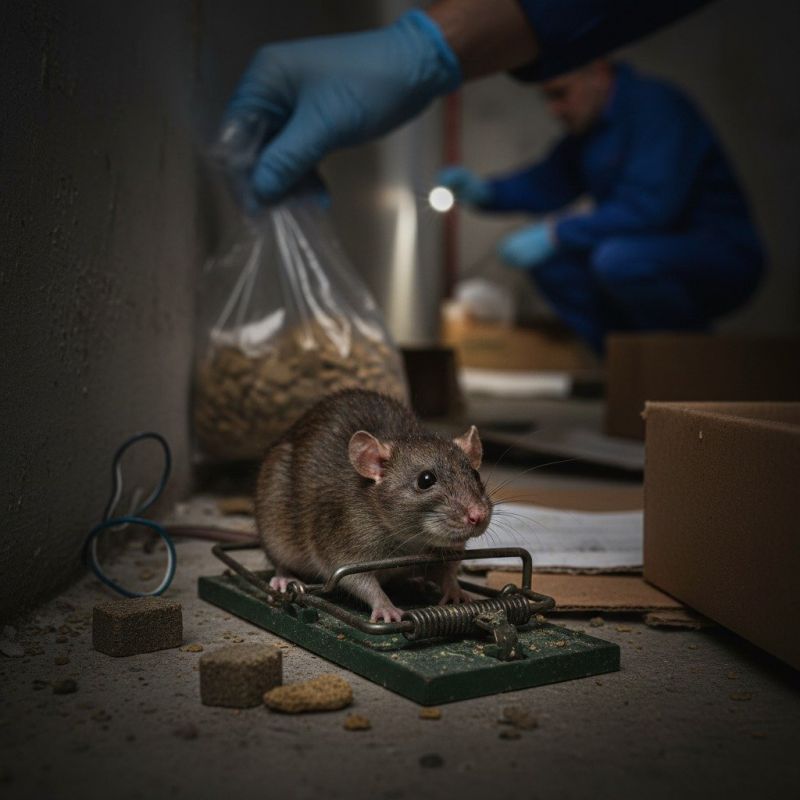
When people search for information about how rodents contaminate food storage areas and pantries, they are often concerned about the health risks and cleanliness issues associated with these pests. Rodents such as mice and rats are known to invade spaces where food is stored, seeking shelter and easy access to nourishment. This topic typically arises when homeowners notice signs of rodent activity, like droppings, gnaw marks, or strange odors, or when they want to prevent infestations before they begin. Understanding how rodents contaminate these areas involves recognizing the ways they can introduce bacteria, parasites, and other pathogens into food supplies, making it unsafe for consumption and increasing the risk of foodborne illnesses.
This subject is closely related to problems like food spoilage, contamination, and the potential spread of disease. It also ties into planning for pest prevention and control strategies within residential properties. Homeowners often consider how to secure their food storage spaces against rodent entry and what steps are necessary to eliminate an existing problem. Addressing these concerns may involve assessing the property’s vulnerabilities, such as gaps around doors and windows, or clutter that provides hiding spots. Many property owners recognize that professional rodent removal services play a vital role in effectively managing these issues, especially when infestations are advanced or difficult to control with DIY methods.
Properties most commonly affected by rodent contamination include homes with accessible food storage areas like pantries, kitchens, and garages. Food businesses, such as small grocery stores, restaurants, or farm storage facilities, are also at risk, as they handle large quantities of perishable goods. Any property with open food packaging, exposed pantry shelves, or cluttered storage spaces can become a target for rodents. These pests are especially drawn to areas where food is stored for long periods without proper sealing or sanitation measures. Recognizing these property types helps homeowners and business owners understand the importance of professional rodent control to protect their food supplies.
In many cases, addressing how rodents contaminate food storage areas and pantries involves a combination of sanitation, exclusion, and removal efforts. Local service providers who specialize in rodent control can evaluate the property’s vulnerabilities, identify signs of activity, and implement targeted strategies to eliminate pests. Their expertise is crucial in creating a comprehensive plan that not only removes current rodents but also prevents future infestations. For homeowners and property managers, connecting with experienced pros ensures that food storage spaces are kept safe, hygienic, and free from contamination risks, supporting a healthier living or working environment.
Pest Inspection Services - These projects involve thorough inspections of food storage areas to identify signs of rodent activity and contamination, utilizing similar skills used in rodent removal services.
Food Storage Safety Assessments - Professionals evaluate storage practices to prevent contamination, requiring planning and knowledge of pest-related risks akin to rodent control efforts.
Structural Damage Repair - Repairing entry points and damaged areas in buildings helps prevent rodents from contaminating food supplies, involving similar tools and planning as rodent exclusion work.
Wildlife Exclusion Projects - These projects focus on sealing entry points to keep rodents and other pests out of food storage areas, requiring similar techniques used in rodent-proofing.
Sanitation and Cleanup Services - Cleaning contaminated areas to remove rodent droppings and nesting materials parallels the cleanup needed after rodent infestations are addressed.
Warehouse Pest Management - Implementing integrated pest management plans in large storage facilities involves planning and pest control skills similar to those in rodent contamination prevention.
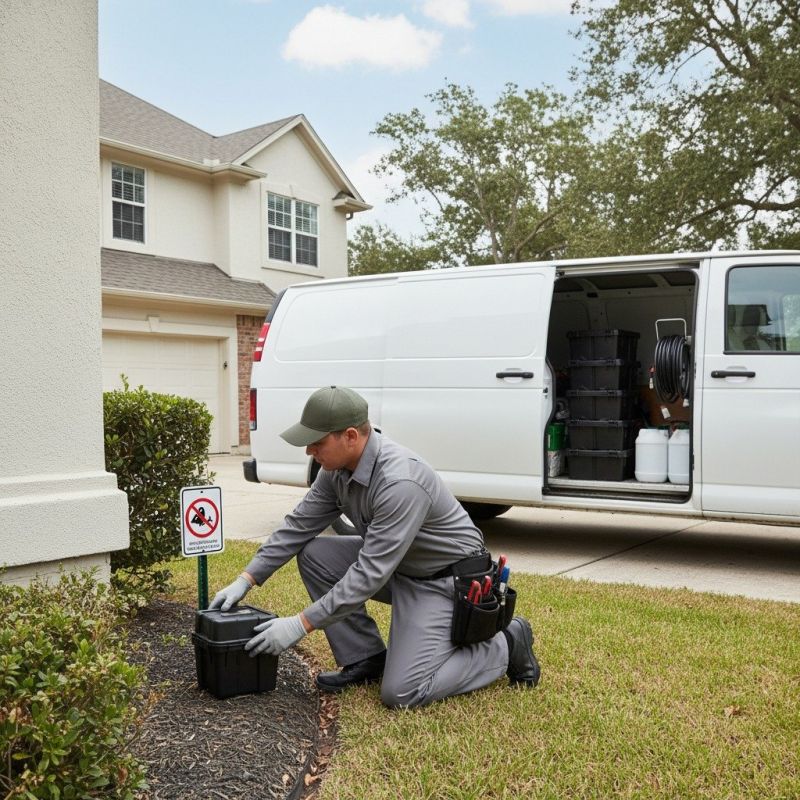
When evaluating local contractors for rodent removal services related to contamination of food storage areas and pantries, it is important to consider their experience with similar projects. A contractor with a history of successfully handling rodent infestations in residential settings can better understand the unique challenges of preventing contamination and ensuring food safety. Asking about their previous work can provide insight into their familiarity with the specific issues that arise when rodents invade food storage spaces, helping to determine if they have the practical knowledge needed to address the problem effectively.
Clear written expectations are essential when comparing service providers for rodent removal. A reputable contractor should be able to outline the scope of work, including inspection procedures, removal methods, and follow-up measures, in a detailed and understandable manner. Having this information in writing helps ensure that both parties are aligned on what will be done to eliminate rodents and prevent future contamination. It also provides a basis for evaluating the thoroughness and professionalism of each service provider, making it easier to distinguish those who prioritize transparency and clarity.
Reputable references and effective communication are key factors to consider when choosing local contractors for rodent-related issues. Service providers who can offer references from past clients demonstrate a track record of reliable work and customer satisfaction. Good communication throughout the process allows homeowners to ask questions, express concerns, and receive timely updates, which can be crucial when dealing with food safety issues. Selecting a contractor known for clear, responsive communication and positive references can help ensure the project proceeds smoothly and that the homeowner feels confident in the chosen service provider’s ability to address how rodents contaminate food storage areas and pantries effectively.
Property owners often search for how rodents contaminate food storage areas and pantries when they are planning practical projects around their homes and businesses. Local pros provide Rodent Removal services for everyday jobs and straightforward project options.
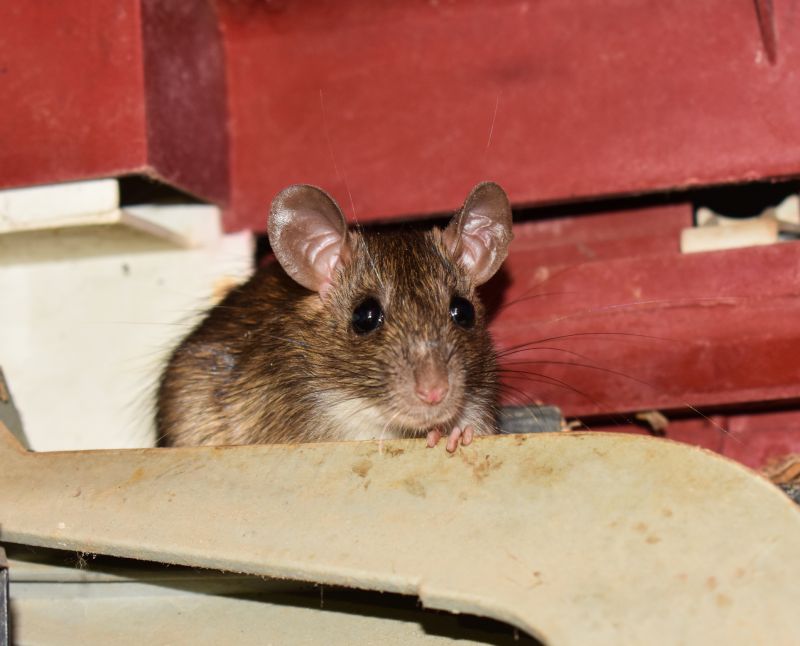
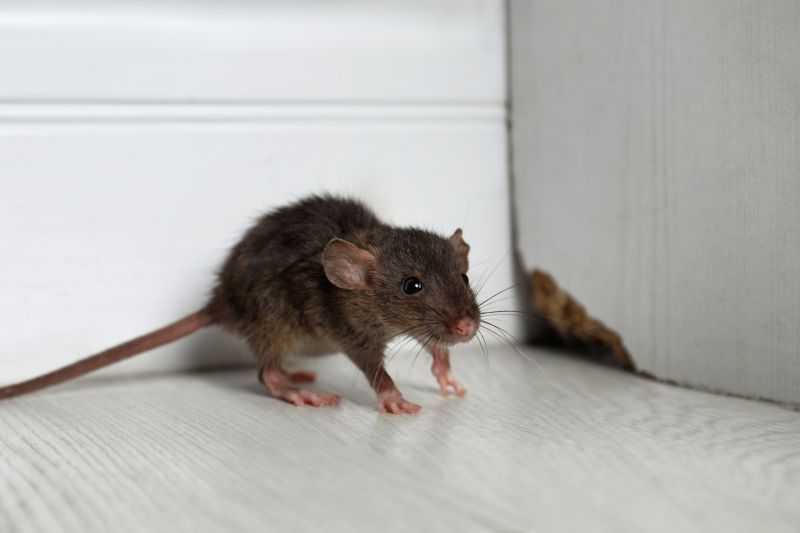
Rodents can pose a significant threat to food storage areas and pantries by contaminating stored items with their droppings, urine, and shed fur. These pests often gain access through small openings, cracks, or gaps around doors, windows, and foundations, making it easy for them to invade spaces where food is kept. Once inside, they may chew through packaging, contaminating grains, cereals, and other pantry staples, which can lead to health concerns and food waste. Property owners in the area who notice signs of rodent activity or suspect an infestation should consider reaching out to local contractors experienced in rodent removal to effectively address the problem and prevent further contamination.
Professional rodent removal services can help restore the safety and cleanliness of food storage areas by identifying entry points, removing pests, and implementing measures to prevent future invasions. These service providers have the expertise to thoroughly inspect pantries and storage spaces, ensuring that contamination is eliminated and that the environment remains safe for food storage. Property owners searching for reliable solutions to rodent-related issues often find it beneficial to connect with local contractors who specialize in pest control, as they can provide tailored strategies to protect food supplies and maintain a hygienic pantry environment.
How do rodents contaminate food storage areas and pantries? Rodents can contaminate food storage areas and pantries by leaving droppings, urine, and hair, which can spread bacteria and other pathogens to food supplies. They often chew through packaging, exposing food to further contamination. Additionally, their nesting materials and waste can introduce dirt and germs into storage spaces.
What signs indicate rodents have contaminated my food storage areas? Signs include gnawed packaging, droppings, a strong musky odor, shredded paper or fabric, and sightings of rodents or their tracks near food storage zones. These indicators suggest contamination and the presence of rodents in the area.
How can local service providers help prevent rodent contamination in pantries? Local pros can conduct thorough inspections to identify entry points and nesting sites, implement trapping or exclusion strategies, and provide advice on proper food storage practices to reduce attractants. They help establish a barrier to keep rodents out of food storage areas.
Why is professional rodent removal important for food safety? Professionals ensure the complete removal of rodents and their nests, reducing the risk of ongoing contamination. They also help eliminate the pathways rodents use to access storage areas, which is essential for maintaining a safe food environment.
What steps do local contractors take to address rodent contamination in pantries? Contractors typically perform pest inspections, set traps or bait stations, seal entry points, and clean affected areas thoroughly. These measures help prevent future contamination and restore food safety in storage spaces.
Identify vulnerable storage areas - inspecting pantry shelves and food containers can help pinpoint spots where rodents may enter or contaminate food.
Seal entry points - sealing gaps and holes around walls and cabinets prevents rodents from accessing food storage spaces.
Implement proper food storage practices - using airtight containers and elevated shelving can reduce contamination risks and make rodent removal easier.
Schedule regular inspections - ongoing assessments by local contractors can detect early signs of rodent activity and contamination in food areas.
If you are thinking about how rodents contaminate food storage areas and pantries for a property, this guide is meant to help you understand this topic, the typical project types, and how different options might fit your plans.
When you are ready, you can use the quote form on this page to share a few details about your project. From there, local pros can review the basics and follow up with options that match what you have in mind.