Common Entry Points Rodents Use to Access Properties
Local contractors specializing in rodent pest control can identify and seal common entry points rodents use to access properties, helping prevent infestations.
Understanding the common entry points rodents use to access properties is an important step for property owners aiming to prevent infestations. These pests often exploit small openings, gaps around doors and windows, and cracks in foundations or walls to gain entry. Recognizing these vulnerabilities can help homeowners and business owners take practical measures to secure their spaces. Local contractors specializing in rodent pest control are well-equipped to identify these entry points and recommend effective solutions to block rodents from accessing the property.
Exploring this topic is particularly relevant for property owners in the area who want to protect their investments and maintain a pest-free environment. Addressing entry points early can reduce the likelihood of a rodent problem developing, saving time and effort down the line. Many local service providers offer comprehensive inspections and tailored sealing services to address these common access points. Continuing to learn about how rodents enter properties can empower property owners to take proactive steps, supported by experienced professionals who understand the unique needs of the local community.
- Entry point sealing - property owners noticing rodent activity may need local contractors to identify and seal gaps, cracks, and holes that serve as entry points.
- Attic and roof access repairs - when rodents are found in attics or roofs, local service providers can inspect and secure potential entry points in these vulnerable areas.
- Foundation and basement sealing - homes with rodents entering through foundation cracks or basement openings benefit from experts who can properly seal these access points.
- Vents and utility openings - rodents often use vents or utility lines to gain entry, and local pros can install barriers or covers to prevent access.
- Door and window perimeter repairs - gaps around doors and windows are common entry points that local contractors can address to block rodent access.

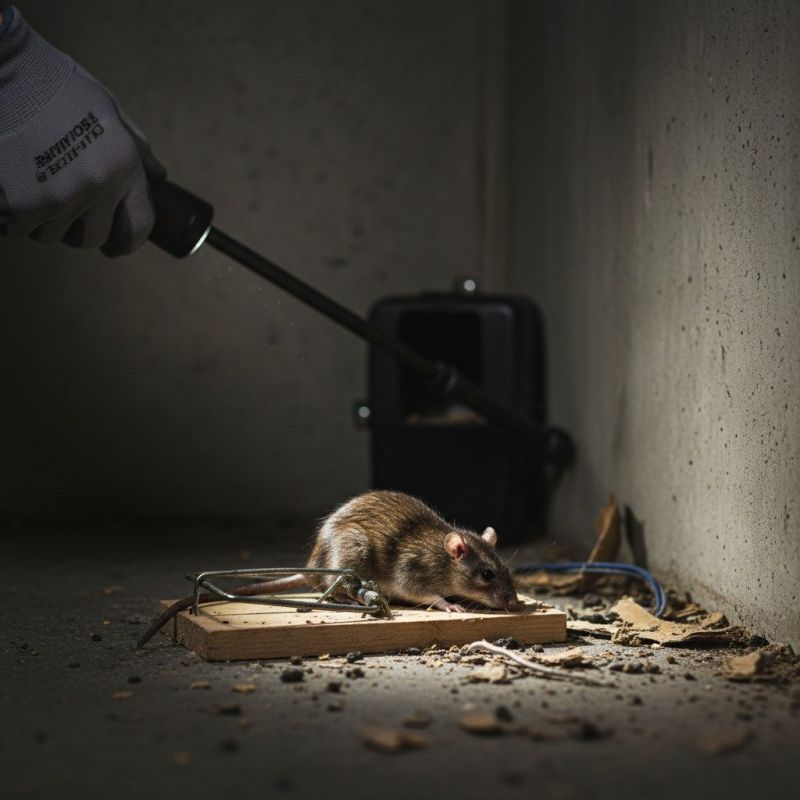
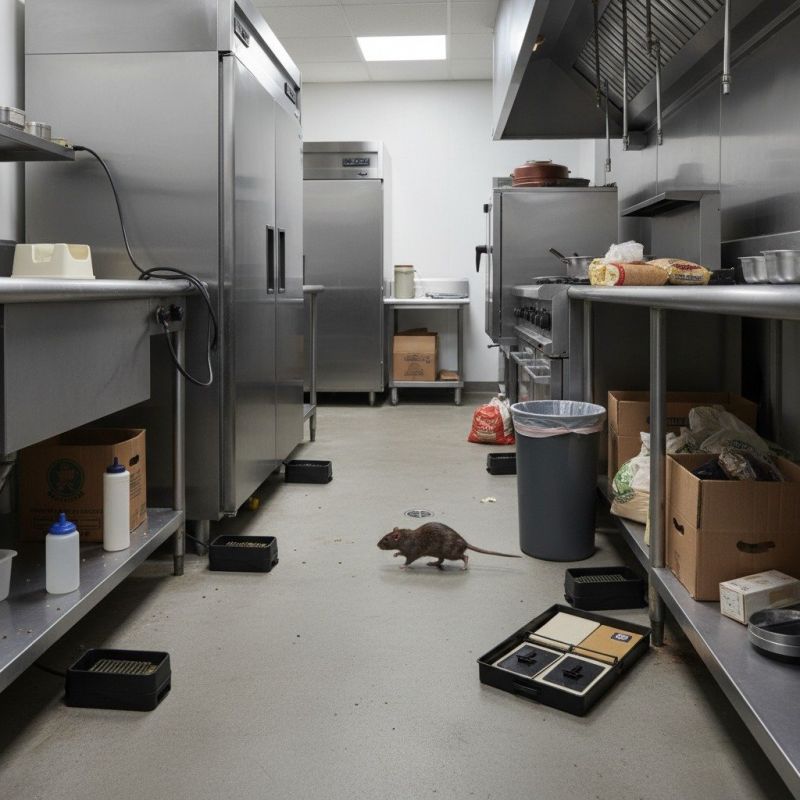
When homeowners search for information about common entry points rodents use to access properties, they are often trying to understand how these pests get inside their homes or buildings. This topic relates to the broader concern of rodent infestations, which can cause property damage, contamination, and health risks. Many property owners want to identify potential vulnerabilities in their structures to prevent rodents from establishing nests or causing further issues. Recognizing the typical ways rodents enter helps in planning effective exclusion strategies, and local service providers specializing in rodent control can assist with both inspection and sealing of these entry points.
Properties that frequently come up in discussions about entry points include residential homes, commercial buildings, warehouses, and even sheds or garages. These structures often have small openings or vulnerabilities that rodents can exploit. For example, gaps around doors and windows, utility entry points, or damaged siding are common access routes. Buildings with poorly maintained foundations or areas where landscaping encroaches close to the structure may also provide easy entry. Understanding the specific features of different property types helps homeowners and property managers better assess their risk and work with local pros to implement targeted exclusion measures.
People searching for this topic are usually concerned about preventing rodent entry or dealing with an existing problem. They may have noticed signs of rodents, such as droppings, gnaw marks, or noises, and want to identify how they are getting inside. Others are planning preventative measures during property renovations or routine maintenance to avoid future infestations. This information is relevant to a variety of property plans, including home repairs, pest-proofing projects, or comprehensive exclusion work. Local contractors who specialize in rodent exclusion and pest control can evaluate properties, identify entry points, and help implement sealing solutions to keep rodents out.
Understanding common entry points rodents use to access properties is practical for homeowners aiming to protect their investments. It highlights the importance of thorough inspections and proper sealing of vulnerable areas. Local pros can perform detailed assessments to locate these entry routes and recommend appropriate exclusion techniques. Whether it’s sealing small holes, installing barriers, or repairing damaged areas, working with experienced service providers ensures that properties are better protected against future rodent intrusions. This proactive approach helps maintain a cleaner, safer environment and reduces the likelihood of ongoing pest problems.
Home Inspection Projects - inspecting properties for structural vulnerabilities helps identify potential entry points rodents may use, aligning with pest control assessments performed by local contractors.
Sealing and Weatherproofing Projects - sealing gaps, cracks, and openings around buildings is essential to prevent rodent entry, making this a common skill area for service providers specializing in pest prevention.
Building Restoration and Repair Projects - repairing damaged walls, foundations, and vents can eliminate common entry points rodents exploit, often handled by local contractors experienced in property maintenance.
Attic and Basement Insulation Projects - installing or upgrading insulation involves accessing hidden entry points and ensuring they are sealed, a task often performed by local pros in home improvement.
Gutter and Drainage System Projects - maintaining and repairing gutters and drainage can prevent rodents from accessing roofs and basements, with service providers skilled in these related areas.
Exterior Landscaping and Drainage Projects - designing landscaping to reduce rodent access involves understanding property vulnerabilities, often managed by local contractors specializing in outdoor property services.
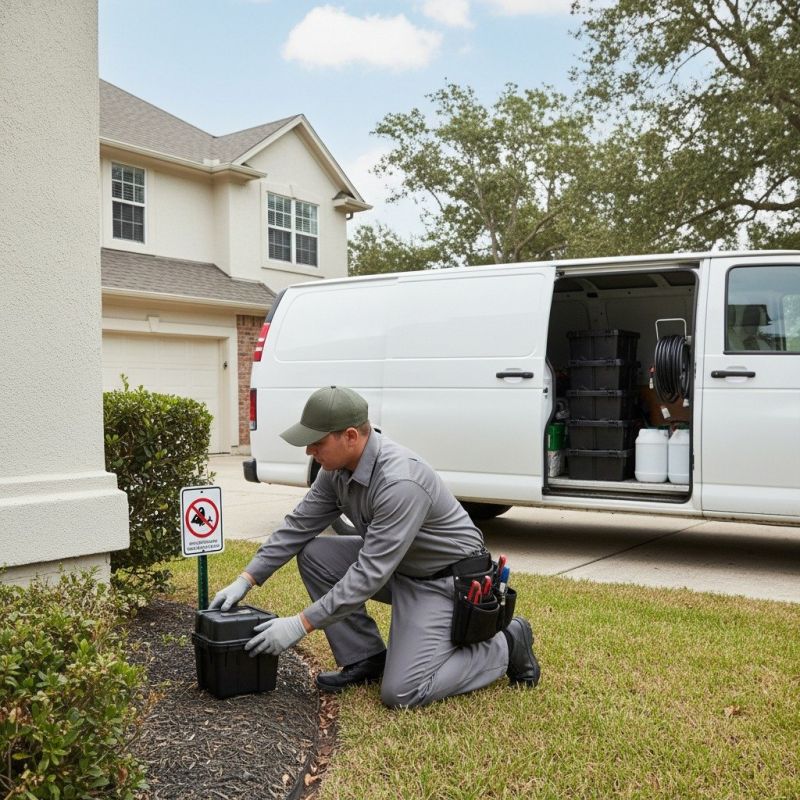
When comparing service providers for rodent pest control, it is important to consider their experience with similar projects. Homeowners should inquire about how long a contractor has been handling rodent issues, particularly those involving common entry points rodents use to access properties. An experienced local contractor will have a better understanding of the typical entry points in the area and can identify potential vulnerabilities that may not be immediately obvious. This familiarity can lead to more effective solutions and fewer repeat visits, ensuring that the problem is addressed comprehensively.
Clear written expectations are another crucial factor when evaluating local contractors. A reputable service provider should be able to outline the scope of work, including inspection procedures, recommended exclusion methods, and follow-up steps, in a detailed and understandable manner. Having documented expectations helps prevent misunderstandings and ensures that both parties are aligned on what the project entails. This clarity is especially important when dealing with entry points, as proper sealing and repairs are essential to preventing future rodent access.
Reputable references and good communication are essential qualities to look for in potential service providers. Homeowners should seek out local contractors who can provide references or reviews from previous clients with similar rodent issues. Effective communication ensures that questions about entry points, pest behavior, and treatment options are answered thoroughly and promptly. Choosing a provider who demonstrates transparency and responsiveness can lead to a more positive experience and greater confidence that the chosen professional will effectively address the specific entry points rodents use to access the property.
Property owners often search for common entry points rodents use to access properties when they are planning practical projects around their homes and businesses. Local pros provide Rodent Pest Control services for everyday jobs and straightforward project options.
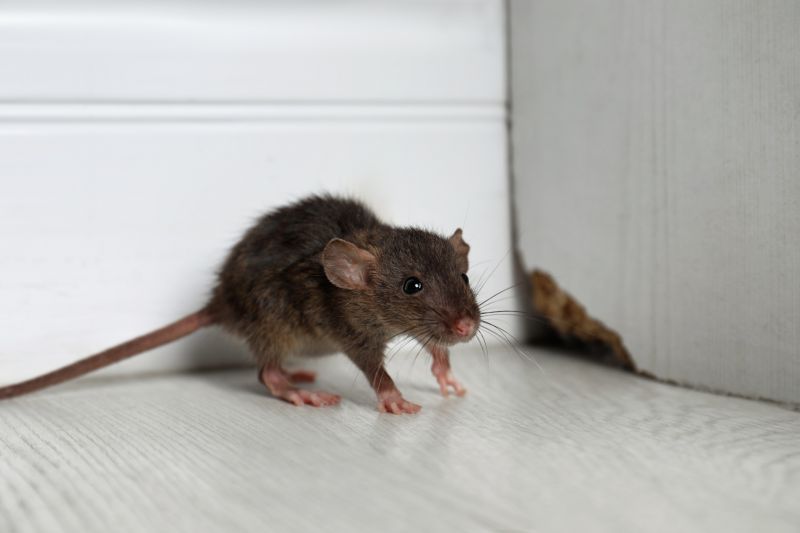
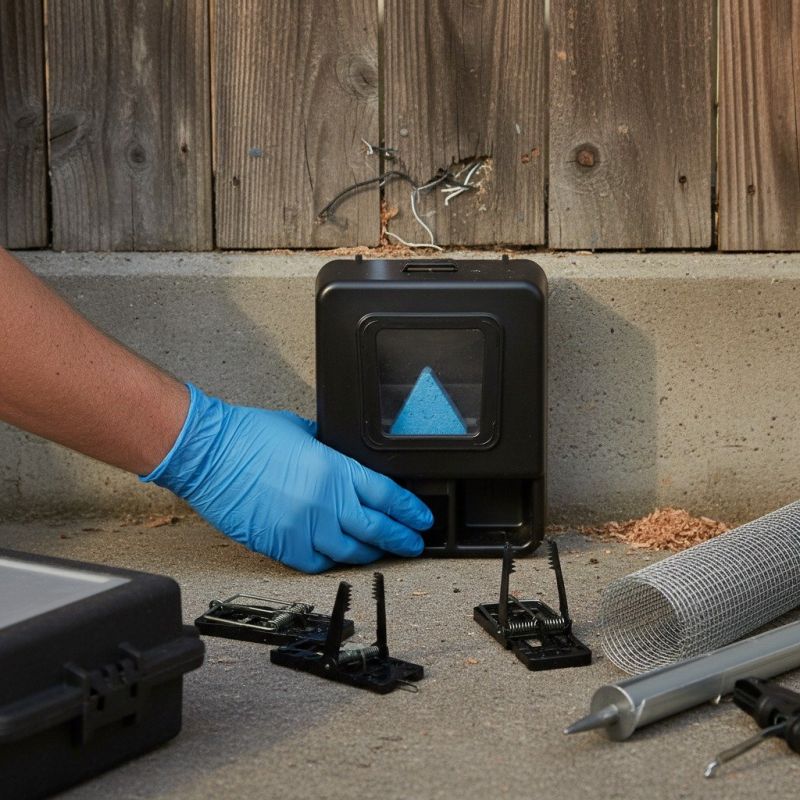
Understanding the common entry points rodents use to access properties can help property owners identify vulnerabilities before an infestation becomes a problem. In many cases, rodents find their way inside through small gaps around doors, windows, or vents, as well as through cracks in the foundation or gaps around utility lines. These simple entry points are often overlooked during routine inspections, but they serve as easy access routes for rodents seeking shelter and food. Recognizing these potential entry sites can prompt property owners to seek the assistance of local contractors who specialize in rodent pest control, ensuring that any openings are properly sealed and secured.
Property owners in the area might look up this topic to better understand how rodents are getting into their homes or businesses, especially after noticing signs like droppings or gnaw marks. Local service providers can evaluate properties for these common entry points and recommend effective methods to block access. Engaging experienced rodent pest control professionals can help address existing issues and prevent future invasions by identifying and sealing off these entry routes, making properties less inviting to rodents and reducing the likelihood of ongoing problems.
What are common entry points rodents use to access properties? Rodents often enter buildings through small openings around doors, windows, vents, and utility lines. They can also squeeze through gaps in the foundation, roof vents, and damaged siding.
How do rodents typically get inside walls or attics? They usually use existing gaps, cracks, or holes in the exterior walls, rooflines, or soffits, especially around vents, chimneys, or damaged areas.
What role do gaps around utility lines play in rodent entry? Gaps around pipes, cables, and wires that enter a property can serve as easy access points for rodents seeking shelter or food sources.
Are there specific areas on a property that are more vulnerable to rodent entry? Vulnerable areas include foundation vents, broken window screens, damaged soffits, and gaps in the siding or door frames where rodents can squeeze through.
How can local contractors help prevent rodents from entering through these points? Local pest control service providers can identify and seal common entry points, recommend repairs, and implement exclusion methods to block rodents from accessing properties.
Inspect building openings - property owners can identify small gaps and cracks that rodents might use as entry points and have local contractors seal them effectively.
Check utility entry points - ensuring gaps around pipes, wires, and vents are properly sealed can prevent rodents from gaining access through these common routes.
Examine doors and windows - installing weatherstripping and door sweeps can block entry points that rodents often exploit around these areas.
Secure foundation and basement areas - sealing foundation cracks and reinforcing basement entries can reduce the likelihood of rodents entering from underground or ground level.
If you are thinking about common entry points rodents use to access properties for a property, this guide is meant to help you understand this topic, the typical project types, and how different options might fit your plans.
When you are ready, you can use the quote form on this page to share a few details about your project. From there, local pros can review the basics and follow up with options that match what you have in mind.